
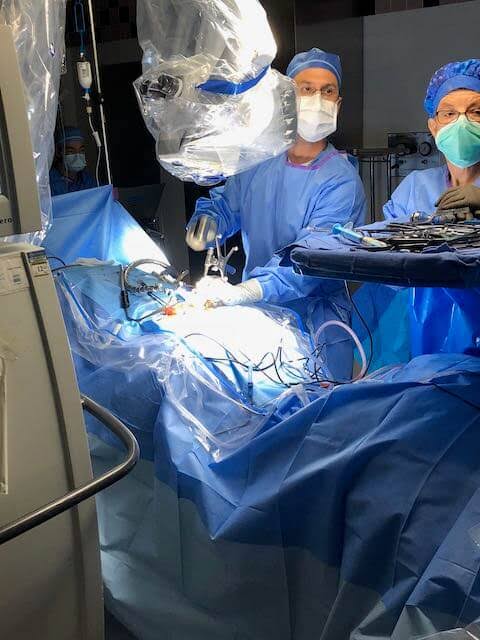
Spine Surgery Robot in Nagpur – Robotic-Assisted Spine Treatment
What Is Robotic-Assisted Spine Surgery? | Spine Surgery Robot In Nagpur
Robotic-assisted spine surgery combines a surgeon’s clinical expertise with specialised computer-guided technology. Depending on the system, the technology can help the surgeon plan specific surgical steps and guide the placement of instruments or spinal implants.
The robot does not diagnose the condition or perform the entire operation independently. Instead, it supports the surgeon during selected tasks. The surgeon remains responsible for treatment decisions, surgical execution and patient safety.
For example, some robotic systems help surgeons plan the position of screws used during spinal stabilisation procedures. The technology can assist with surgical planning, but its capabilities vary according to the platform and the procedure.
Robotic assistance is not necessary for every spinal condition. A specialist must first determine whether surgery is required and whether robotic guidance offers a meaningful benefit in the particular case.
How Does a Spine Surgery Robot Work?
Robotic-assisted surgery involves careful planning and coordination between the surgeon and the available technology.
1. Examination and Diagnosis The surgeon reviews your symptoms, medical history and physical examination findings. Depending on the suspected condition, MRI, CT scans or X-rays may help assess the spine and identify structural problems. 2. Surgical Planning When robotic assistance is appropriate, the surgical team may use medical images and planning software to assess spinal anatomy and determine the intended positions for specific implants or instruments. 3. Technology-Assisted Surgical Guidance During the operation, the robotic system may guide selected surgical steps according to the planned approach. The surgeon controls the procedure, assesses the operative findings and makes decisions throughout the operation. 4. Postoperative Care After surgery, the medical team monitors your recovery and provides instructions about movement, medication, wound care and rehabilitation. Follow-up appointments help the surgeon assess healing and address any concerns.Potential Benefits of Robotic-Assisted Spine Surgery
Robotic assistance can offer useful advantages in selected spinal procedures. However, the expected benefits depend on the patient’s condition, the technology available and the surgeon’s treatment plan.
Potential benefits may include:- Detailed surgical planning: Computer-assisted tools can help the surgeon plan certain aspects of the procedure.
- Guidance for implant placement: Some systems assist with positioning spinal screws and other instruments.
- Support for complex procedures: Robotic guidance may help with specific spinal stabilisation operations.
- Integration with minimally invasive techniques: Certain procedures may combine robotic assistance with smaller surgical incisions.
- Patient-specific planning: The surgeon can use imaging and anatomical information to plan the procedure around individual needs.
Which Conditions May Require Spine Surgery?
Certain Spinal Fractures
Spinal fractures can result from trauma, weakened bones or other medical conditions. Treatment depends on the fracture pattern, spinal stability and whether nearby nerves are affected.
Some fractures heal with non-surgical management, whereas unstable fractures may require surgical stabilisation. Important: These conditions do not automatically require robotic surgery. The specialist must determine the most appropriate treatment for each patient.Is Robotic-Assisted Spine Surgery Safe? | Spine Surgery Robot In Nagpur
All spinal operations carry potential risks. These may include infection, bleeding, nerve injury, anaesthesia-related complications, problems involving implants and the possible need for further treatment.
Robotic guidance may help with certain aspects of surgical planning and execution, but it cannot eliminate these risks. The outcome also depends on the complexity of the spinal condition, the patient’s overall health and the procedure performed.
Before surgery, ask your surgeon to explain the expected benefits, possible complications and alternative treatments. You should also understand why the proposed technique is suitable for your particular condition.
What Is Recovery Like After Spine Surgery?
Recovery differs from person to person. The type of operation, the severity of the spinal condition and general health all influence how quickly someone returns to daily activities.
Your recovery plan may include:
Walking and gentle movement when approved by the medical team.
Following medication and wound-care instructions.
Avoiding activities that place excessive strain on the healing spine.
Attending follow-up appointments.
Starting physiotherapy when recommended.
Returning to work and exercise gradually, according to medical advice.
Some patients resume light activities relatively early, while others need a longer rehabilitation period. Robotic assistance alone cannot predict the recovery timeline.
Seek urgent medical assessment if you develop new or worsening leg weakness, loss of bladder or bowel control, or numbness around the groin or saddle area.