Spine Deformity Treatment in Nagpur: Understand Your Curve and Your Options
What Is a Spine Deformity? | Spine Deformity Treatment In Nagpur
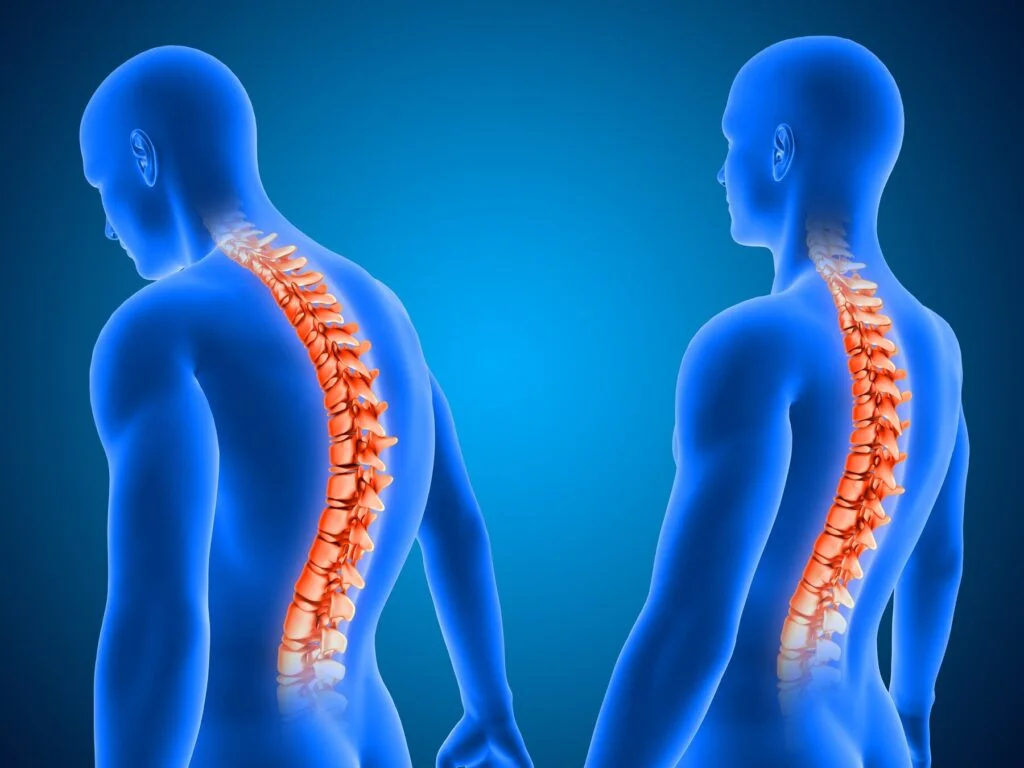
Your spine naturally curves to balance your body. However, a spine deformity means the curve bends too far or in the wrong direction. Moreover, doctors name the problem by the type of curve:
- Scoliosis: First, the spine curves sideways and often twists.
- Kyphosis: Moreover, the upper back rounds forward more than normal.
- Lordosis: In addition, the lower back curves inward too much.
Each type behaves differently. Therefore, your doctor measures your curve and studies your symptoms before suggesting any treatment.
What Causes Spine Deformities?
Causes vary with age and type. Moreover, doctors cannot always find a single reason. Common causes include:
- Unknown causes: First, most adolescent scoliosis has no clear cause, and doctors call it idiopathic.
- Birth differences: Moreover, some people are born with differently shaped spinal bones.
- Nerve and muscle conditions: In addition, certain conditions weaken the muscles that support the spine.
- Age-related wear: Therefore, adults can develop curves as discs and joints degenerate.
- Injury or past surgery: Likewise, fractures and earlier operations can change spinal alignment.
However, poor posture alone rarely causes true scoliosis. Consequently, an assessment matters more than guessing.
Signs and Symptoms to Notice
Some curves cause pain, while others show only in the way your body looks. Moreover, children often feel no pain at all. Watch for these signs:
- Uneven shoulders or hips: First, one side sits higher than the other.
- A tilted waist: Moreover, clothes hang unevenly.
- A visible rib or back hump: In addition, it stands out when you bend forward.
- Back pain or stiffness: Therefore, discomfort limits your activity.
- Tiredness while standing: Likewise, your back tires faster than before.
- Numbness or tingling: Finally, it may signal nerve irritation.
However, these signs can have other causes. Therefore, a medical assessment confirms what is happening.
When to Seek Urgent Medical Care
How Doctors Diagnose a Spine Deformity
Diagnosis starts with a conversation and a physical examination. Your doctor asks when you noticed the curve and whether it causes pain. Moreover, the doctor checks your posture, balance, muscle strength, and sensation. For scoliosis, the doctor often asks you to bend forward, because this shows rib or back asymmetry.
Then, imaging helps measure the curve. Depending on your case, your doctor may suggest:
- Digital X-rays: First, they show the curve and your spinal alignment.
- MRI scans: Moreover, they show nerves and soft tissues when symptoms call for it.
- CT scans: In addition, they show bone detail.
- 3D imaging: Finally, it helps plan treatment when surgery applies.
However, not everyone needs every test. Therefore, your doctor orders only what guides your care.
Spine Deformity Treatment Options | Spine Deformity Treatment In Nagpur
Treatment depends on the type, size, and cause of your curve, plus your age and symptoms. Moreover, many people never need surgery. Your plan may include:
- Observation: First, regular check-ups track whether a small curve changes.
- Physiotherapy: Moreover, exercises build core and back strength and ease pain.
- Bracing: In addition, a brace may help control certain curves in growing children.
- Posture and lifestyle guidance: Therefore, you protect your back during daily tasks.
- Surgery: Finally, doctors consider it for severe, worsening, or nerve-affecting curves.
However, physiotherapy and posture habits support your spine but rarely correct a true curve on their own. Therefore, ask your doctor what each option can and cannot do.
Children and Teenagers: Why Monitoring Matters
Adults: Degenerative and Long-Standing Curves | Spine Deformity Treatment In Nagpur
When Surgery Becomes an Option
Spinal fusion is major surgery with a significant recovery period. Therefore, ask about the goals, risks, alternatives, and rehabilitation before you decide. In addition, take time to ask questions until you feel clear and comfortable.
Frequently Asked Questions (FAQ) | Spine Deformity Treatment In Nagpur
1. What is a spine deformity?
2. Does every spine curve need treatment?
3. Can bad posture cause scoliosis?
4. Can exercise or physiotherapy correct a curve?
Book an Appointment with Dr. Mohammed Faizan – Best Spine Surgeon Near Me in Nagpur
If you or your child has a spinal curve, back pain, or movement problems, take the first step today. Therefore, consult Dr. Mohammed Faizan at Indian Spine Clinic in Nagpur. He reviews your symptoms, explains your options, and guides you toward safe next steps.
Moreover, you can ask about monitoring, non-surgical care, surgical options where suitable, and rehabilitation.
📞 Call: +91 9325921235
Book online: https://www.nagpurspinesurgeon.com/contact-us/
Follow us on our social media
Spine Deformity Treatment in Nagpur, Spine Deformity Specialist Nagpur, Dr. Mohammed Faizan Spine Surgeon, Indian Spine Clinic Nagpur, Minimally Invasive Spine Deformity Surgery Nagpur, Scoliosis Treatment Nagpur, Kyphosis Correction Nagpur
- moreover
- furthermore
- additionally
- also
- besides
- in addition
- as well as
- not only that
- along with
- plus
- however
- on the other hand
- nevertheless
- although
- even though
- whereas
- yet
- in contrast
- while
- despite this
- similarly
- likewise
- in the same way
- just as
- equally
- correspondingly
- therefore
- thus
- consequently
- as a result