
Minimally Invasive Spine Surgery in Nagpur: When Is It Worth Considering?
Spine Surgery Minimally Invasive In Nagpur Back pain becomes more concerning when it starts affecting everyday activities. Sitting for work, walking short distances, sleeping comfortably, or bending down may become difficult when a spinal problem irritates or compresses a nerve. In such situations, patients often want to understand whether they need surgery or whether another treatment could help.
For people exploring minimally invasive spine surgery in Nagpur, the first step is to identify the actual cause of the symptoms. A scan alone does not decide whether an operation is necessary. The doctor must consider the patient’s symptoms, physical examination, medical history, and imaging findings together.
At Indian Spine Clinic, patients can enquire about spine consultation availability with Dr. Mohammed Faizan to discuss their concerns and possible next steps.
When Does a Spine Problem Need Further Evaluation? | Spine Surgery Minimally Invasive In Nagpur
Understanding the Role of Minimally Invasive Techniques
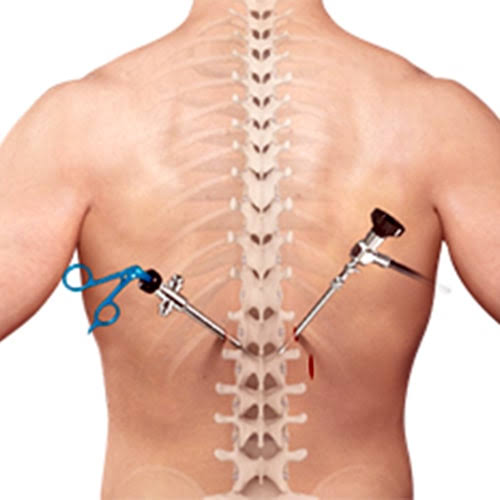
The term minimally invasive spine surgery describes approaches that allow a surgeon to treat selected spinal problems through relatively small incisions using specialised instruments. The exact technique depends on the location of the problem and the procedure required.
For example, a patient with a disc pressing on a nerve may need a different approach from someone with spinal narrowing or instability. Consequently, the same surgical method cannot be applied to every diagnosis.
Smaller incisions may reduce damage to some surrounding tissues in suitable procedures. Nevertheless, the term “minimally invasive” does not mean risk-free, and it does not automatically make a procedure the best option for every patient.
What Happens If Surgery Is Not the First Choice?
Many patients with disc-related pain or nerve irritation can begin with non-surgical care, depending on their symptoms and clinical findings. A treatment plan may include activity adjustments, medication prescribed by a healthcare professional, or guided physiotherapy when appropriate.
The response to treatment helps inform the next decision. If symptoms improve, an operation may not be necessary. If symptoms remain troublesome, the doctor may review the diagnosis, consider further investigations, and explain whether a procedure could offer meaningful benefits.
However, new or progressive neurological problems require prompt medical assessment rather than waiting indefinitely for conservative treatment to work.
How to Prepare for a Spine Surgery Consultation
A consultation is more useful when the doctor can understand how the problem affects your life and what treatment you have already tried. Before your appointment, consider preparing the following information:
When the pain started and whether it has changed over time.
Whether symptoms remain in the back or travel into an arm or leg.
Any numbness, tingling, weakness, or difficulty walking.
Treatments you have already tried and how you responded.
Previous MRI, CT, or X-ray reports, if available.
Relevant medical history and current medicines.
In addition, ask the specialist to explain the purpose of any recommended procedure, its expected benefits, possible complications, alternative treatments, and likely recovery restrictions. These details can help you make a more informed decision.
Recovery Depends on the Procedure and the Person
There is no single recovery schedule for every spine operation. The type of surgery, the original condition, general health, and the body’s response to treatment can all influence recovery.
Some activities may resume earlier than others, while lifting, driving, exercise, or returning to work may require specific guidance. Rehabilitation may also be recommended when appropriate.
Rather than relying on a fixed number of recovery days, ask your treating surgeon what milestones to expect and which symptoms should prompt a follow-up. This approach provides guidance based on your individual treatment plan.