
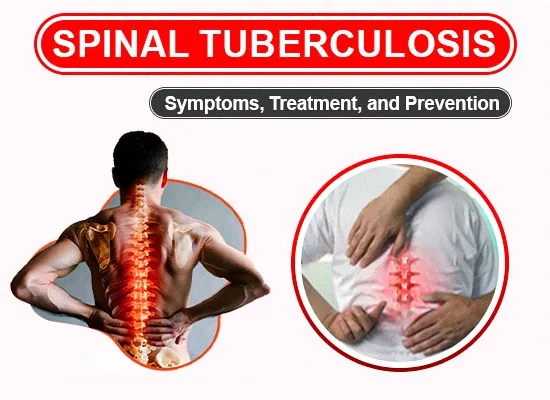
Tuberculosis Of The Spine Treatment In Ambikapur – Advanced Spine Infection Care by Dr. Mohammed Faizan
Spinal Tuberculosis, also known as Pott’s Spine, is a serious form of tuberculosis that affects the vertebrae, spinal discs, and surrounding tissues. If left untreated, it may lead to long-lasting back pain, spinal deformity, nerve compression, and even paralysis. With modern medical advancements, patients now have access to accurate diagnosis, safe treatment, and long-term recovery planning.
If you are looking for Tuberculosis Of The Spine Treatment In Ambikapur, Dr. Mohammed Faizan at Indian Spine Clinic offers expert evaluation, personalized treatment plans, and advanced rehabilitation strategies to ensure optimal healing and spinal stability.
About Dr. Mohammed Faizan – Specialist for Tuberculosis Of The Spine Treatment In Ambikapur
Dr. Mohammed Faizan is an experienced spine specialist recognized for diagnosing and treating spinal infections, including tuberculosis of the spine. With extensive expertise in minimally invasive spine treatment, neuro-spine evaluation, and long-term rehabilitation, he ensures each patient receives the right care based on their condition severity and health needs.
Patients trust Dr. Faizan because of:
• Modern diagnostic approach and clinical accuracy
• Individualized treatment and medical supervision
• Experience in conservative and surgical TB spine management
• Focus on spinal stability, mobility, and long-term recovery
• Patient-centered care with detailed guidance at every stage
Understanding Tuberculosis Of The Spine
Tuberculosis of the spine occurs when Mycobacterium tuberculosis spreads from the lungs or bloodstream to the spinal structures. Over time, infection weakens the vertebrae and can compress the spinal cord or nerves.
This condition often develops gradually, making early diagnosis essential to prevent disability or deformity.
Causes and Risk Factors
Tuberculosis of the spine develops because of:
• Previous or active pulmonary tuberculosis
• Low immunity
• Malnutrition
• Uncontrolled diabetes
• Long-term steroid use
• Living or working in high TB-exposure environments
Anyone with unexplained back pain and a TB history should be evaluated promptly.
Symptoms of Tuberculosis Of The Spine
Symptoms may start mild but progress over months. Common warning signs include:
• Persistent back pain
• Localized swelling or tenderness
• Stiffness and difficulty walking
• Numbness or tingling in legs
• Sudden weight loss
• Night sweats and fatigue
• Muscle weakness
• Visible spinal deformity in advanced stages
If symptoms worsen or neurological involvement appears, immediate treatment is crucial.
When You Need Tuberculosis Of The Spine Treatment In Ambikapur
Seek medical attention if:
• Pain is persistent and increasing
• Symptoms do not respond to physiotherapy or pain medicines
• Weakness, numbness, or walking difficulty develops
• Diagnosis reports indicate vertebral infection
• You have a known TB history with back symptoms
Early treatment improves recovery, prevents disability, and avoids long-term complications.
Diagnosis of Spinal Tuberculosis
Accurate diagnosis is essential for proper treatment planning. Dr. Mohammed Faizan performs:
• Detailed medical history and neurological examination
• MRI or CT scan for spinal visualization
• X-ray to assess structural damage and deformity
• Blood investigations such as ESR and CRP
• Tuberculosis culture or biopsy, if required
Diagnosis helps determine whether conservative treatment or surgical management is needed.
Tuberculosis Of The Spine Treatment In Ambikapur by Dr. Mohammed Faizan
Treatment depends on severity, spinal stability, and nerve involvement.
Medical Management
Many cases respond to Anti-Tubercular Therapy (ATT). Treatment includes:
• Long-term anti-TB medications
• Pain-relief medicines
• Vitamin and bone health support
• Bracing for spinal stability
• Regular monitoring and imaging follow-up
Surgical Management
Surgery may be recommended if:
• Severe nerve compression is present
• Spinal deformity progresses
• Infection causes spinal instability
• Medical management alone is not effective
Surgical goals include decompression of nerves, stabilization, and correction of deformity.
Benefits of Early Tuberculosis Of The Spine Treatment In Ambikapur
Early intervention ensures:
• Faster pain relief
• Better infection control
• Prevention of spinal deformity
• Reduced nerve damage
• Improved mobility and posture
• Better quality of life
Delayed treatment may lead to long-term disability or neurological damage.
Recovery After Treatment
Recovery time depends on disease severity. Most patients improve gradually with:
• Physiotherapy and guided exercise
• Regular follow-ups
• Nutritional support
• Posture training
• Spine protection techniques
With proper compliance, patients regain mobility and strength over time.
Why Choose Dr. Mohammed Faizan for Tuberculosis Of The Spine Treatment In Ambikapur
Patients prefer treatment under Dr. Faizan because:
• Advanced spine and infection management expertise
• Modern diagnostic and imaging support
• Minimally invasive surgical approach when required
• Strong rehabilitation and mobility restoration planning
• Experienced care addressing both medical and structural needs
His integrated treatment method ensures both infection control and spinal health restoration.
Frequently Asked Questions (FAQ)
- Is spinal tuberculosis curable?
Yes, with early diagnosis and proper treatment, most patients recover successfully. - Will surgery always be required?
No, many cases respond to medications alone. Surgery is needed only in severe or complicated cases. - How long does treatment take?
Tuberculosis treatment may continue for several months, depending on response and severity. - Can spinal TB return?
With proper medication and follow-up care, recurrence is uncommon. - Is physiotherapy necessary?
Yes, physiotherapy helps strengthen the spine, restore movement, and prevent deformity.
Book an Appointment With Dr. Mohammed Faizan
Follow us on our social media
- moreover
- furthermore
- additionally
- also
- besides
- in addition
- as well as
- not only that
- along with
- plus
- however
- on the other hand
- nevertheless
- although
- even though
- whereas
- yet
- in contrast
- while
- despite this
- similarly
- likewise
- in the same way
- just as
- equally
- correspondingly
- therefore
- thus
- consequently
- as a result
- moreover
- furthermore
- additionally
- also