
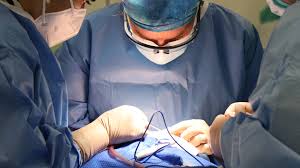
Spine Surgery Endoscopic In Damoh – Advanced Keyhole Spine Care by Dr. Mohammed Faizan
Persistent back pain, sciatica, slipped discs, or nerve compression can severely impact your daily life and mobility. For many patients in Damoh, traditional open spine surgery seems daunting, with long recovery times, significant post‑operative pain, and major tissue disruption. Fortunately, endoscopic spine surgery offers a modern, minimally invasive alternative that reduces risks and speeds up healing. If you are seeking expert spine care in Damoh, Dr. Mohammed Faizan performs advanced endoscopic spine procedures tailored to your condition, helping you regain pain‑free movement without long hospital stays.Spine Surgery Endoscopic In Damoh
About Dr. Mohammed Faizan – Endoscopic Spine Surgeon In Damoh
Dr. Mohammed Faizan is a highly qualified spine specialist known for his skill in minimally invasive and endoscopic spinal surgery. He brings together years of experience, advanced surgical training, and a patient‑first philosophy. His primary aim is to treat the root cause of spine pain while preserving as much healthy tissue as possible.
- He uses modern imaging techniques (MRI, CT) to precisely locate the problem.
- He plans each surgery carefully, choosing the safest and most effective endoscopic route.
- He emphasizes post‑operative rehabilitation to restore spinal function quickly.
- His follow-up care ensures long‑term spine health and reduces recurrence risk.
Patients in Damoh and surrounding areas trust Dr. Faizan because he combines surgical excellence with compassionate care and fully explains all treatment options.
What Is Endoscopic Spine Surgery
Endoscopic spine surgery is a minimally invasive technique in which the surgeon accesses the diseased part of the spine through a very small incision, generally less than 1 cm. A specialized endoscope — a thin tube with a camera and light source — is inserted to view spinal structures on a monitor. Using micro‑instruments, the surgeon then removes the problematic disc material, bone spur, or other tissue compressing the nerves.
Because muscles and soft tissues are not cut or stripped away, the procedure is far less traumatic than traditional open spine surgery. This results in less blood loss, lower risk of infection, reduced scarring, and faster postoperative recovery.
Conditions Treated With Endoscopic Spine Surgery In Damoh
Endoscopic spine surgery can address a variety of spinal conditions, including:
- Herniated or slipped discs (lumbar or cervical)
- Sciatica and radiculopathy caused by nerve root compression
- Foraminal stenosis (narrowing where nerves exit)
- Central spinal stenosis in select cases
- Degenerative disc disease with focal nerve compression
- Recurrent disc herniation after previous surgery
- Certain types of spondylolisthesis when nerves are involved
By targeting the exact source of pain with precision, endoscopic surgery often provides long‑lasting relief.
Symptoms That Indicate Need for Endoscopic Spine Surgery
You may be a candidate for endoscopic spine surgery if you experience:
- Persistent back or neck pain despite conservative treatment
- Pain radiating into the arms or legs
- Tingling, numbness, or burning sensations in limbs
- Muscle weakness or difficulty walking
- Pain that worsens with bending, lifting, or sitting
- Limited mobility or loss of spinal flexibility
- Recurrence of symptoms following prior non‑surgical treatment
If nerve compression is confirmed by imaging and the symptoms significantly impact your daily life, then endoscopic surgery is often considered.
How the Procedure Is Performed
Endoscopic spine surgery follows a structured, minimally invasive process:
Preoperative Assessment
- Detailed clinical evaluation, history, and neurological exam
- MRI or CT imaging to identify the affected segment
- Surgical planning including patient positioning and anesthesia
Surgery
- A small incision (typically 5–8 mm) is made
- The endoscope is inserted to visualize the spinal canal or foramen
- Micro‑instruments are used under camera guidance to remove herniated disc fragments or compressive tissues
- Real‑time confirmation of decompression ensures nerves are relieved
Closure
- The wound is closed with minimal suturing
- A small dressing is applied
- Patient is monitored in the recovery area
Postoperative Care
- Early mobilization is encouraged
- Pain management as needed
- Physiotherapy is initiated gradually
Follow‑up visits are scheduled to assess healing and neurological recovery
Benefits of Endoscopic Spine Surgery In Damoh
Choosing endoscopic spine surgery with Dr. Faizan offers several important advantages:
- Minimized surgical trauma: Very small incision causes less harm to muscles and connective tissue.
- Reduced postoperative discomfort: Patients typically experience less pain than open surgery.
- Faster recovery: Early ambulation and shorter hospital stays are common.
- Lower risk of infection: Less exposure and smaller wound size reduce risk.
- Improved precision: The endoscope provides a magnified, direct view.
- Better cosmetic outcome: Tiny incision leaves minimal scarring.
- Preserved spine function: Natural structures remain largely intact.
These clinical and functional benefits make the procedure a strong choice for those wishing to resume activities quickly.
Potential Risks and When It May Not Be Suitable
While endoscopic spine surgery is generally safe, like any surgical procedure, it carries some risks:
- Nerve injury or irritation (rare)
- Infection or bleeding
- Incomplete decompression if anatomy is complex
- Possibility of conversion to open surgery if required
- Recurrence of disc herniation in degenerative cases
Not all patients are suitable for this surgery. Those with:
- Large or calcified disc herniations
- Unstable spinal segments
- Severe deformities
- Multi‑level spinal degeneration
may need other types of surgical interventions. Dr. Faizan carefully evaluates each patient to determine if endoscopic surgery is the most appropriate option.
Recovery After Surgery
Recovery from endoscopic spine surgery is much faster compared to traditional open methods:
- Patients often begin walking within hours of the surgery
- Pain is managed with oral medications
- Physiotherapy begins early with gentle spinal exercises, posture correction, and nerve gliding
- Return to light activities usually within a few days to a week, depending on condition
- Full return to work or routine activities typically takes a few weeks with guidance
Dr. Faizan provides a structured rehabilitation plan to maximize recovery while protecting the spine.
Maintaining Spine Health Long-Term
Long-term spine health after surgery is vital to sustain the benefits. Dr. Faizan recommends:
- Regular core strengthening and flexibility exercises
- Correct ergonomic habits while sitting, working, or lifting
- Weight management to reduce spinal load
- Avoiding sudden twisting or high-impact activities initially
- Periodic follow‑ups to monitor the spine
- Healthy lifestyle habits, including balanced nutrition and physical activity
With consistent exercise and spine awareness, recurrence of symptoms can often be minimized.
Why Choose Dr. Mohammed Faizan For Endoscopic Spine Surgery In Damoh
Patients choose Dr. Faizan because:
- He has extensive experience in minimally invasive and endoscopic spine surgery
- He performs a careful patient evaluation and diagnostic workup
- He customizes the surgical plan and avoids unnecessary open procedures
- He provides clear preoperative counseling and realistic expectations
- He supports postoperative rehabilitation and long-term follow-up
- He commits to safe surgery with modern equipment and stringent protocols
- His balanced approach ensures both relief and preservation of spinal function.
Frequently Asked Questions (FAQ)
- Is endoscopic spine surgery safe?
Yes, for many suitable patients, it is safer than open surgery because it uses a small incision and causes minimal tissue damage. - Does recovery take a long time?
Recovery is faster compared to open spine surgery; many patients begin walking within hours and return to daily tasks in a few weeks. - Will I feel immediate pain relief?
Some relief may be felt early, especially for nerve-related symptoms, but full recovery and strength return may take weeks. - Is there a risk of spinal instability after surgery?
When performed properly on suitable candidates, endoscopic decompression preserves stability. Dr. Faizan evaluates stability before recommending surgery. - Can the disc herniation come back after endoscopic surgery?
Recurrence is possible, particularly in degenerative conditions, but long-term management and rehabilitation help minimize this risk.
Book Appointment – Endoscopic Spine Surgery In Damoh
If you are living with persistent back or leg pain, sciatica, or other nerve symptoms, Dr. Mohammed Faizan can help you explore endoscopic spine surgery in Damoh as a precise and effective treatment option. During your consultation, you will receive:
- Comprehensive clinical and neurological evaluation
- MRI or imaging review to determine the exact cause
- Personalized surgical plan (if required)
- Rehabilitation and recovery guidance tailored to your lifestyle
Contact Indian Spine Clinic in Damoh to schedule your appointment, bring any previous imaging reports, and prepare your symptom list so you can make the most of your visit.
Follow us on our social media
- moreover
- furthermore
- additionally
- also
- besides
- in addition
- as well as
- not only that
- along with
- plus
- however
- on the other hand
- nevertheless
- although
- even though
- whereas
- yet
- in contrast
- while
- despite this
- similarly
- likewise
- in the same way
- just as
- equally
- correspondingly
- therefore
- thus
- consequently
- as a result
- moreover
- furthermore
- additionally
- also