
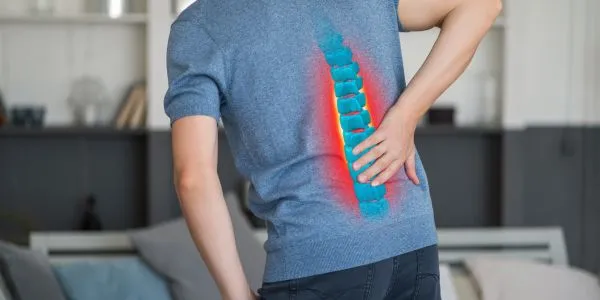
Tuberculosis Of The Spine Treatment In Rewa – Expert Care By Dr. Mohammed Faizan
Understanding Tuberculosis of the Spine
When tuberculosis infection spreads from the lungs or bloodstream to the spine, it begins damaging the vertebrae and intervertebral discs. Over time, if untreated, the infection may destroy bone tissue, compress the spinal cord, and cause neurological complications.
Many patients underestimate the condition in the early stage because symptoms may appear mild or similar to regular back pain. However, spine TB progresses silently, and early evaluation is crucial for preventing permanent damage.
Common Symptoms of Tuberculosis of the Spine
Patients requiring Tuberculosis Of The Spine Treatment In Rewa may experience:
• Persistent back pain that does not improve with rest
• Muscle weakness or difficulty walking
• Spine stiffness and reduced flexibility
• Swelling, tenderness, or deformity around the spine
• Fatigue, night sweats, or continuous low-grade fever
• Unexplained weight loss
• Numbness or tingling in arms or legs
• Difficulty sitting, bending, or standing for long duration
When these symptoms appear together, immediate medical assessment becomes necessary.
Causes and Risk Factors
Spine tuberculosis usually develops when untreated or partially treated TB spreads from the lungs or other body parts to the spinal column. Some common risk factors include:
• Weak immune system
• HIV infection
• Chronic illnesses such as diabetes
• Long-term steroid usage
• Malnutrition
• Exposure to TB patients
• Living in high TB prevalence areas
Identifying these risks helps in early diagnosis and prevention.
How Tuberculosis of the Spine Is Diagnosed
A correct diagnosis is essential for creating a personalized treatment plan. Dr. Mohammed Faizan follows a systematic diagnostic process that may include:
• Physical examination and medical history
• MRI scan to detect infection and nerve involvement
• X-ray evaluation to identify bone destruction or deformity
• CT scan to assess severity and stability
• CBNAAT, ESR, and CRP blood tests
• Biopsy or culture in selected cases for confirmation
Advanced diagnostic tools provide a clear understanding of the infection stage and guide accurate treatment planning.
Treatment Options for Tuberculosis of the Spine in Rewa
The primary goal of treatment is to eliminate infection, relieve pain, restore mobility, and prevent permanent damage.
The treatment approach depends on:
• Severity of infection
• Spine stability
• Presence of nerve compression
• Patient’s overall health condition
Treatment involves medical management, physiotherapy rehabilitation, and sometimes surgery.
Medical Management
In early or moderate cases, treatment focuses on tuberculosis medications, rest, and spine support. This usually includes:
• Antituberculosis Therapy (ATT)
• Pain-relief medicines
• Muscle relaxants
• Spinal brace or support belt
• Nutritional supplements for bone strength
Regular follow-ups help monitor progress and adjust the treatment plan when necessary.
Surgical Treatment Options
Surgery is recommended when:
• Severe nerve compression is present
• Pain does not improve with medication
• There is visible spine deformity
• Large abscess formation occurs
• Progressive weakness or paralysis is detected
Dr. Mohammed Faizan performs advanced surgical techniques such as:
• Decompression surgery
• Stabilization and fusion
• Endoscopic or minimally invasive procedures
• Removal of infected tissue and abscesses
Modern surgical approaches help reduce recovery time and prevent long-term disability.
Recovery Process and Rehabilitation
Recovery from spinal tuberculosis can take several months, depending on the infection stage and treatment method. A structured rehabilitation plan plays a vital role in restoring strength, posture, and mobility.
Rehabilitation includes:
• Guided physiotherapy exercises
• Gradual movement training
• Spinal strengthening and posture correction
• Balance and gait improvement
• Lifestyle and movement modification guidance
With proper rehabilitation, most patients regain confidence and resume normal activities gradually.
Why Choose Dr. Mohammed Faizan for Tuberculosis Of The Spine Treatment In Rewa
Patients across Rewa and nearby regions prefer Dr. Mohammed Faizan because of:
• Extensive experience in treating spine tuberculosis
• Use of state-of-the-art diagnostic technology
• Expertise in minimally invasive spine procedures
• Patient-specific treatment plans
• Faster recovery outcomes and long-term follow-up care
• Professional handling of complex cases
His treatment approach focuses on complete infection control, pain relief, improved mobility, and prevention of future complications.
Frequently Asked Questions (FAQ)
- Is spine tuberculosis curable?
Yes, when diagnosed early and treated with medications and proper monitoring, most patients recover completely. - How long does treatment take?
Treatment usually lasts between 9 to 18 months depending on the severity and response to medication. - Do all patients need surgery?
No, surgery is required only when there is severe deformity, nerve compression, abscess, or failure of medical treatment. - Can I walk during treatment?
Movement is allowed, but activity level depends on severity and doctor’s evaluation. A spinal brace may be recommended. - What happens if spine TB is untreated?
Delayed treatment may lead to paralysis, spine deformity, nerve damage, and permanent disability.
Book an Appointment With Dr. Mohammed Faizan
Follow us on our social media
- moreover
- furthermore
- additionally
- also
- besides
- in addition
- as well as
- not only that
- along with
- plus
- however
- on the other hand
- nevertheless
- although
- even though
- whereas
- yet
- in contrast
- while
- despite this
- similarly
- likewise
- in the same way
- just as
- equally
- correspondingly
- therefore
- thus
- consequently
- as a result
- moreover
- furthermore
- additionally
- also