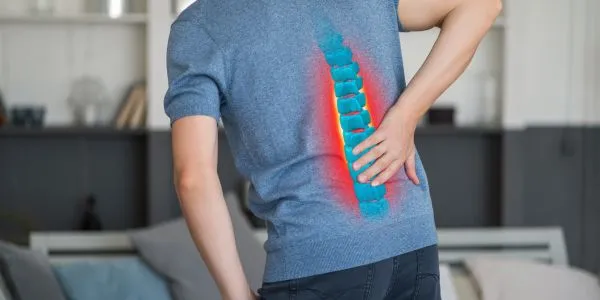
Understanding Tuberculosis of the Spine
Tuberculosis of the spine, also called Pott’s disease, occurs when the TB bacteria reach the spinal bones. The infection usually spreads from the lungs through the bloodstream. Once it settles in the spine, it slowly attacks the discs and vertebrae. Since the infection grows slowly, symptoms also appear gradually. Many people notice mild pain in the beginning, and they often treat it with self-medication. Over time, the pain increases, and mobility becomes difficult. Because the spine supports the entire body, any infection in this area must be treated seriously.
The condition affects people from different age groups. Individuals with weak immunity and poor nutrition are more vulnerable. When the infection remains untreated, the vertebrae lose strength. As a result, they collapse and create pressure on the spinal cord. This pressure leads to numbness, tingling, weakness, or even difficulty walking. Consequently, it becomes essential to diagnose the condition early. Tuberculosis of the spine treatment in Betul focuses not only on curing the infection but also on preventing deformity and nerve-related complications.
Causes and Risk Factors of Spinal Tuberculosis
Tuberculosis spreads through airborne droplets, yet spinal TB occurs after the bacteria enter the bloodstream. Often, the primary infection begins in the lungs. When immunity weakens, the bacteria travel to the spine. Poor living conditions, malnutrition, poor hygiene, long-term illness, and lack of medical access increase the risk. People with uncontrolled diabetes, individuals undergoing long-term steroid therapy, and those with chronic diseases may also face higher chances of developing spinal TB.
Because TB is an infectious disease, proper hygiene, timely vaccination, and strong immunity help reduce the risk. However, even healthy individuals can develop spinal TB if exposed to the bacteria for a long time. Therefore, awareness plays a major role in preventing the spread of TB.
Early Symptoms That Should Not Be Ignored
People often ignore early symptoms because they resemble common back problems. However, spinal TB presents specific warning signs that become stronger with time. Continuous back pain that does not improve with rest is the most common symptom. Stiffness in the back, fatigue, and mild fever may follow. Sometimes, people notice reduced appetite and weight loss. These signs appear because the body fights a long-standing infection.
As the condition worsens, pain increases and movement becomes more difficult. Weakness in the legs, numbness, or difficulty walking may develop due to nerve compression. Night sweats and low energy levels also appear frequently. Tuberculosis of the spine treatment in Betul emphasizes early diagnosis so these symptoms do not progress into deformity or permanent nerve damage.
Diagnosis and Evaluation at Vidarbha Institute of Spine Surgery
A timely and accurate diagnosis improves the success of treatment. At the Vidarbha Institute of Spine Surgery, Dr. Mohammed Faizan uses a structured approach to evaluate every patient. The process begins with a detailed medical history to understand the duration and type of symptoms. The next step involves clinical examination, where posture, flexibility, and neurological functions are assessed.
After the physical examination, imaging tests such as X-rays, MRI scans, and CT scans are used to confirm the damage. MRI scans help detect early infection, while CT scans show bone destruction clearly. Blood tests, including ESR and CRP, reveal inflammation levels. In some situations, a biopsy may be recommended to confirm the presence of TB bacteria. Because the condition resembles some other spinal infections, the right diagnosis prevents confusion and ensures accurate treatment.
Medical Management of Spinal Tuberculosis
Medical therapy forms the first line of treatment in most cases. At Vidarbha Institute of Spine Surgery, the goal is to eliminate infection and preserve spinal stability.
Treatment usually includes:
A long course of anti-tuberculosis medication
Nutritional support to improve immunity
Regular follow-up to assess progress
Imaging tests during treatment to evaluate healing
This approach works for many people. When the infection is caught early, medicines control it effectively. However, close monitoring remains important throughout the treatment period.
Surgical Treatment Options for Spinal TB
Although medical therapy treats many cases, surgery becomes important in more advanced situations. When the infection weakens the bone severely, the spine loses alignment. As a result, pressure increases on the spinal cord. Surgery helps remove the infected tissue, relieve pressure, and restore stability.
Dr. Mohammed Faizan performs surgery when deformity progresses, nerves are affected, or pain becomes severe. Surgical techniques include decompression, stabilization with implants, and correction of deformity. Because the goal is to protect the spinal cord, surgery offers long-term functional improvement. Modern surgical methods reduce blood loss, pain, and recovery time. Consequently, individuals regain mobility more safely and confidently.
Recovery and Rehabilitation after Treatment
Recovery depends on the severity of the infection and the overall health of the patient. However, structured rehabilitation helps people regain strength and mobility faster. Physiotherapy plays a major role in restoring posture and improving flexibility. Gentle exercises reduce stiffness and increase blood flow to healing tissues. Since nutritional support is important, patients are guided to follow a balanced diet that strengthens immunity.
Regular follow-ups ensure that the infection remains under control. MRI or X-ray scans may be repeated depending on recovery progress. Because spinal TB heals slowly, patience and consistency help achieve long-term success.
Frequently Asked Questions (FAQ)
- Is spine surgery safe with Dr. Mohammed Faizan?
Yes, he specializes in minimally invasive techniques that reduce tissue trauma and risk. - How long is recovery after spine surgery?
Patients often begin walking the same day or next day, with return to regular activities in a few weeks. - Will there be visible scars?
Minimally invasive surgery leaves only small, nearly invisible scars. - Who is eligible for spine surgery?
Patients with chronic back pain, nerve compression, herniated discs, or spinal stenosis may be suitable candidates. - Will my symptoms return?
With proper post-operative care and lifestyle adjustments, patients experience long-term relief.
Book Appointment – Dr. Mohammed Faizan
If you are experiencing persistent back pain, leg pain, sciatica, or other spinal problems, consult Dr. Mohammed Faizan, the top spine surgeon in Damoh. At Indian Spine Clinic, patients receive advanced diagnosis, personalized minimally invasive treatment, and structured post-operative rehabilitation. Dr. Faizan’s expert care ensures safe surgery, faster recovery, and long-term spinal wellness. Book your appointment today to start your journey toward a pain-free, active life under the guidance of an experienced and trusted spine specialist.
Follow us on our social media
Connect with us on social media for daily health tips and clinic updates.
- moreover
- furthermore
- additionally
- also
- besides
- in addition
- as well as
- not only that
- along with
- plus
- however
- on the other hand
- nevertheless
- although
- even though
- whereas
- yet
- in contrast
- while
- despite this
- similarly
- likewise
- in the same way
- just as
- equally
- correspondingly
- therefore
- thus
- consequently
- as a result
- moreover
- furthermore
- additionally
- also