
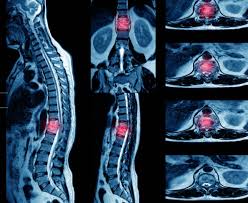
Tuberculosis Of The Spine Treatment In Satna – Advanced Spine TB Care by Dr. Mohammed Faizan
Spinal tuberculosis, also known as Pott’s Spine, is a serious yet treatable condition that affects the vertebrae and spinal structures due to tuberculosis infection. Over time, if left untreated, it may result in severe pain, nerve compression, spinal deformity, and difficulty in movement. Because the symptoms progress slowly, many patients ignore early warning signs, leading to complications. Therefore, early diagnosis and proper medical management are essential for preventing long-term damage.
Today, due to increasing awareness and advanced treatment options, Tuberculosis of the Spine Treatment in Satna is helping patients recover safely and regain their mobility. Under the care of experienced spine specialist Dr. Mohammed Faizan, patients receive a combination of evidence-based medical therapy, minimally invasive procedures when required, and long-term spine rehabilitation support.
About Dr. Mohammed Faizan – Tuberculosis Of The Spine Treatment In Satna Specialist
Dr. Mohammed Faizan is a trusted and experienced spine surgeon offering advanced care for spinal tuberculosis. With expertise in diagnosing and managing both early and advanced stages of TB spine, he focuses on accurate evaluation, medical management, and corrective treatment when necessary.
His approach emphasizes:
• Timely diagnosis using MRI, X-Ray, and blood investigations
• Modern medical protocols for TB treatment
• Minimally invasive surgical options when appropriate
• Continuous monitoring to track recovery and spinal stability
• Patient-centered care and long-term follow-up
Because spine TB requires consistent management and clinical supervision, Dr. Mohammed Faizan ensures patients receive personalized care plans based on the stage, symptoms, and overall health condition.
What Is Tuberculosis of the Spine?
Tuberculosis of the spine occurs when TB bacteria spread from the lungs or bloodstream to the spinal column. The infection affects the vertebrae, discs, and surrounding tissues, eventually causing structural weakening. Over time, this infection may compress the spinal cord or nerves, resulting in neurological symptoms and mobility problems.
Although it is a serious disease, early diagnosis allows smooth recovery using medication, stabilization support, and supervised rehabilitation.
Early Warning Signs of Spine Tuberculosis
Recognizing symptoms early helps prevent nerve damage and deformity. Common symptoms include:
• Persistent back or neck pain
• Stiffness in the spine
• Low-grade fever or unexplained fever
• Sudden weight loss
• Fatigue and weakness
• Muscle spasms
• Numbness or tingling in legs or arms
• Reduced flexibility or difficulty bending
• Visible spinal deformity in advanced cases
Causes and Risk Factors
Several factors may increase the chances of developing spinal tuberculosis, including:
• Existing active or previous tuberculosis infection
• Weakened immune system
• Malnutrition
• Long-term illness or chronic disease
• Close contact with untreated TB patients
• Delay in TB diagnosis or improper treatment
Diagnosis of Tuberculosis Of The Spine
Accurate diagnosis is essential to determine disease severity and prevent complications. Evaluation may include:
• MRI of the spine
• X-ray of spinal segments
• CT scan when required
• Blood tests including ESR and CRP
• TB screening tests and cultures
These assessments help determine infection stage, bone damage, and whether nerves are involved.
Treatment Options for Tuberculosis Of The Spine In Satna
Treatment depends on the severity of infection and patient condition. Management typically includes:
• Antitubercular drug therapy following national TB protocol
• Bracing or spinal support for stabilization
• Nutritional guidance for strength and immunity
• Physiotherapy to restore mobility and posture
When advanced bone collapse, deformity, or nerve compression occurs, minimally invasive or reconstructive spine surgery may be required to stabilize the spine and relieve pressure.
Recovery After Tuberculosis of the Spine Treatment
Why Choose Dr. Mohammed Faizan for Tuberculosis Of The Spine Treatment In Satna?
Patients trust Dr. Mohammed Faizan because of his:
• Accurate clinical evaluation and diagnosis
• Expertise in both medical and surgical TB spine management
• Patient-specific treatment planning
• Ethical and evidence-based care
• Modern rehabilitation guidance
• Long-term monitoring for full recovery
Frequently Asked Questions (FAQ)
- Is spinal TB fully curable?
Yes. With proper treatment and follow-up, most patients recover completely. - Do all patients need surgery?
No. Surgery is recommended only when nerve compression, deformity, or severe bone destruction is present. - How long does treatment take?
Treatment duration varies, but medication typically continues for several months depending on recovery progress. - Can a patient walk during treatment?
Yes, under proper guidance and stabilization support.
Book an Appointment With Dr. Mohammed Faizan
Follow us on our social media
- moreover
- furthermore
- additionally
- also
- besides
- in addition
- as well as
- not only that
- along with
- plus
- however
- on the other hand
- nevertheless
- although
- even though
- whereas
- yet
- in contrast
- while
- despite this
- similarly
- likewise
- in the same way
- just as
- equally
- correspondingly
- therefore
- thus
- consequently
- as a result
- moreover
- furthermore
- additionally
- also