Trusted Physiotherapy Clinic in Nagpur for Lasting Pain Relief
What Makes a Physiotherapy Clinic Right for You
A good clinic treats you as a person, not a routine. First, the therapist asks about your symptoms, health history, abilities, and daily habits. Then, the therapist builds a plan around what you learn.
For example, a person with lower back stiffness needs different care from someone recovering from a knee injury. Similarly, a patient after surgery follows the surgeon’s recovery instructions. Consequently, you should compare clinics by qualifications, experience, assessment style, communication, and available services. In addition, look for clear explanations and realistic goals.
Conditions Your Physiotherapist Treats
Lower back pain makes bending, sitting, standing, and walking hard. Muscle strain, little activity, and certain spine conditions often play a part. Therefore, your therapist examines your movement and suggests exercises or activity changes that suit you.
Neck Pain and Restricted MovementNeck pain can disturb driving, computer work, sleep, and even turning your head. Moreover, long screen hours and muscle strain often contribute, although other medical conditions can also cause it.
Physiotherapy Treatments and Rehabilitation Options
Physiotherapy never uses one method for everyone. Instead, your therapist picks techniques that fit your assessment and goals. Depending on the clinic’s services, your programme may include:
- Therapeutic exercises: First, they target your movement, strength, and flexibility limits.
- Stretching and mobility work: Moreover, they ease stiffness where movement feels restricted.
- Strengthening exercises: In addition, they build the muscle power you need for daily tasks.
- Balance and coordination training: Therefore, you practise steady, controlled movement.
- Posture and activity guidance: Likewise, you learn practical changes that reduce strain.
- Manual therapy: Furthermore, a trained therapist uses hands-on techniques when they help.
- Functional rehabilitation: Consequently, you rehearse standing, walking, reaching, and climbing stairs.
- Post-injury rehabilitation: Meanwhile, you return to normal activity at a safe pace.
- Post-operative rehabilitation: Finally, you follow a recovery plan that respects surgical precautions.
- Home exercise programmes: Also, you practise prescribed movements between visits.
Moreover, a good therapist explains each treatment and its limits. However, clinics differ in what they offer, so confirm the services before you book.
How Your Physiotherapy Assessment Works
Your first visit starts with a conversation. Your therapist asks when symptoms began, what makes them worse, whether an injury happened, and how the problem affects your routine. Moreover, the therapist may check your movement, strength, flexibility, and balance.
In addition, bring any reports or earlier treatment records. Afterwards, you hear what the therapist found and what to do next. If physiotherapy fits, you discuss exercises, activity changes, follow-up visits, and realistic goals. However, if your symptoms suggest another problem, the therapist advises further medical evaluation.
What Happens During a Session
Best Physiotherapy Clinic In Nagpur
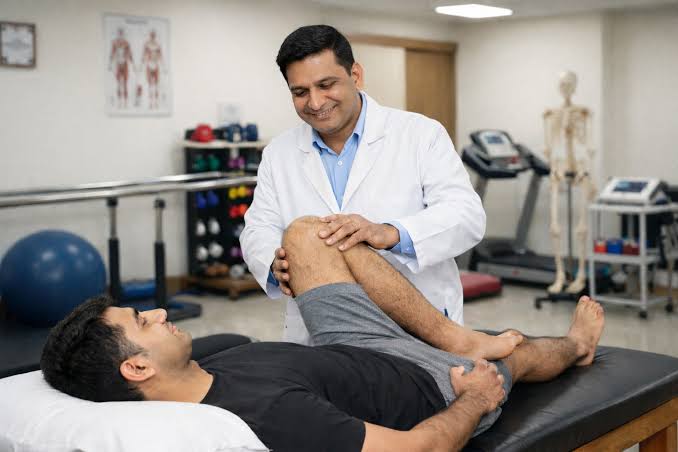
Each session follows your treatment plan. First, your therapist reviews how you feel and what changed since your last visit. Then, the therapist guides you through exercises, movement practice, or other suitable techniques.
Moreover, your therapist adjusts the work to match your response. For example, a movement that feels fine early in recovery may need changes if it causes strong discomfort. Therefore, tell your therapist about new symptoms, rising pain, dizziness, or unusual weakness. As a result, your therapist can modify the session or recommend a medical check.
Why a Personal Recovery Plan Matters
Best Physiotherapy Clinic In Nagpur
Home Exercises Speed Up Recovery
Best Physiotherapy Clinic In Nagpur
Simple Ways to Support Your Rehabilitation
Best Physiotherapy Clinic In Nagpur
Your daily habits affect how well you follow your plan. Consider these steps:
- Follow professional guidance: First, perform exercises exactly as taught.
- Adjust demanding activities: Moreover, discuss lifting, sport, and work tasks that aggravate symptoms.
- Build activity gradually: In addition, raise your effort only as your therapist advises.
- Track your changes: Therefore, note improvements and problems to share at your next visit.
- Attend your reviews: Likewise, follow-up visits let your therapist update the plan.
- Ask questions: Finally, request clarity whenever an instruction feels unclear.
Moreover, these steps support your recovery, but they cannot replace a medical assessment when symptoms need investigation.
When to Seek Professional Help
Best Physiotherapy Clinic In Nagpur
See a qualified healthcare professional when pain, stiffness, weakness, or limited movement affects daily life or keeps returning. Moreover, an assessment shows whether physiotherapy fits or whether you need other medical care.
However, some symptoms need emergency care. Therefore, act immediately if you notice new loss of bladder or bowel control, numbness around the groin, or sudden or worsening limb weakness, especially with back pain. In addition, seek prompt care after a serious injury, sudden nerve symptoms, or severe unexplained pain.
Frequently Asked Questions (FAQs)
Best Physiotherapy Clinic In Nagpur
1. How do I choose a physiotherapy clinic in Nagpur?
2. Can physiotherapy help with lower back pain?
3. Is physiotherapy useful for neck stiffness?
4. Can physiotherapy treat a slipped disc?
5. How many sessions will I need?
That depends on your condition, goals, and consistency. For example, a mild strain needs fewer visits than recovery after surgery. Moreover, your therapist reviews your progress and adjusts the plan.
Book an Appointment
Back pain, neck stiffness, and spinal discomfort should not control your life. Therefore, take the first step today. At Indian Spine Clinic, Dr. Mohammed Faizan, a spine specialist in Nagpur, and the care team guide you toward safe, active recovery.
Moreover, you can ask about physiotherapy, rehabilitation, and the right treatment for your condition.
📞 Call: +91 9325921235
Book online: https://www.nagpurspinesurgeon.com/contact-us/
Follow us on our social media
WhatsApp us